


How To Restore Gold Hardware On A Luxury Handbag
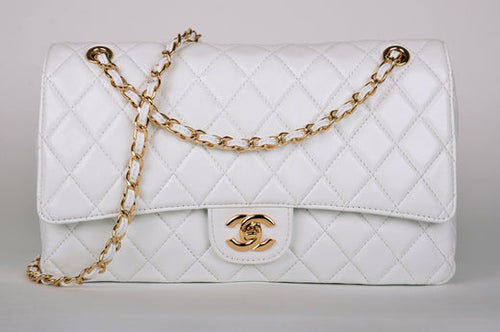
You can often brighten dull gold-tone handbag hardware at home — but most “gold” on designer bags is plated metal (usually brass or zinc alloy), not solid gold. Mild soap, a soft cloth, and light polishing restore film and fingerprints; aggressive abrasives, jewelry dips, and soldering DIY strip plating and can permanently dull high-touch edges. Stop when plating flakes, screws spin freely, or the bag’s value makes a mistake expensive.
Quick answer: how to restore gold hardware on a luxury handbag
- Identify finish: polished, brushed, or antique/oxidized gold-tone — antique wants less “shine” polishing.
- Mask leather and fabric around the piece so moisture stays on metal.
- Clean with diluted mild soap and a soft cloth or soft toothbrush; dry thoroughly.
- For light scratches on intact plating, buff gently with a non-abrasive metal polish made for plated gold — patch-test first.
- Skip DIY if plating is peeling, hardware is bent/loose beyond a screw tighten, or you are unsure of authenticity/value.
Shoppers comparing gold-hardware styles: browse live gold hardware handbags after you decide what finish and wear you can live with.

What “gold hardware” usually is
On most designer bags, the glow comes from a thin plating layer over a base metal. That matters for care:
- Polished gold-tone — glossy; shows fingerprints and micro-scratches fast.
- Brushed / satin — directional grain; scrubbing against the grain looks scratched.
- Antique / vintage gold-tone — intentional darker recesses; polishing the recesses flat removes the look you paid for.
High-touch zones (zipper pulls, turnlocks, feet edges) “brass” first: the plating wears and warmer base metal shows. Light edge wear on a well-used bag is often normal; deep pitting or peeling film is a stop-DIY signal. For a buyer-side hardware checklist (not an authenticity certificate), see behind the hardware of luxury bags.
DIY vs professional — decide before you scrub
| Situation | Home care is usually enough | Prefer a pro / brand service |
|---|---|---|
| Film, fingerprints, light tarnish | Mild soap + dry + optional light polish | — |
| Minor surface scratches on intact plating | Gentle non-abrasive polish, tiny area | Deep cuts into base metal |
| Flaking / blistering plating | Stop — more scrubbing makes it worse | Replate or part replacement |
| Loose feet, spinning posts, missing screws | Only if you can see and tighten a proper fastener | Bent posts, stripped threads, glued-on “repairs” |
| High-value or uncertain authenticity | Dry wipe only | Atelier / authorized repair path |
Cost orientation for serious atelier work: handbag restoration cost guide. DIY saves money on cosmetics; it does not replate worn-through hardware.
Supplies (gentle only)
- Microfiber cloths (at least two)
- Mild liquid soap / gentle detergent
- Lukewarm water
- Soft toothbrush for crevices
- Cotton swabs
- Non-abrasive polish labeled safe for plated gold / costume jewelry (optional)
- Masking tape or soft cloth to shield leather
- Dust bag for storage after care
Optional supplies some owners keep on hand: mild saddle soap for adjacent leather (not for metal plating), soft cleaning wipes, and a light metal polish — always patch-test away from logos.
Avoid: baking soda pastes, scouring pads, toothpaste grit, jewelry cyanide dips, ultrasonic baths on assembled bags, acetone on plated pulls, and any “re-gold” pen as a structural fix.
Step-by-step: clean and refresh gold-tone hardware
1. Prep the bag
Empty pockets. Mask leather, canvas, and enamel logos next to the hardware so soap doesn’t ring the metal. Work over a towel so dropped pulls don’t scratch floors — or leather.
2. Dry dust
Wipe grit first. Wet grit is sandpaper on thin plating.
3. Mild soap clean
Mix a few drops of mild soap in lukewarm water. Wring the cloth nearly dry. Clean the metal only — crevices with a soft brush or swab. Rinse the cloth and wipe soap residue off so film doesn’t attract more dirt.
4. Dry completely
Blot dry. Water left in zipper teeth or under feet invites spots and corrosion at plating edges.
5. Optional light polish
If plating is intact and you want more sheen on polished gold-tone, apply a pea-size amount of non-abrasive polish to a cloth — not directly on leather — and buff lightly. Stop the moment color transfers heavily onto the cloth (you may be removing plating). Skip polish on antique finishes and on brushed metal unless you follow the grain.
Material-specific plating risks
- Next to aniline or light leather — metal cleaners can leave dark halos; mask carefully and keep cloths barely damp.
- Coated canvas / PVC-adjacent trims — solvents cloud coatings; soap-and-water only near hardware.
- Mixed hardware (gold + ruthenium / silver-tone) — treat each finish separately; one polish does not fit all.
- Feet and base studs — they take abrasion from floors; expect faster wear than a flap turnlock. Cleaning helps; it does not rebuild worn plating.
- Chain straps — clean link by link; don’t soak the leather shoulder pad.
Scratches, looseness, and discoloration
- Hairline scratches — often soften visually after clean + light polish; deep cuts that show base metal need a pro or acceptance as wear.
- Loose hardware — look for a real screw or set screw before forcing anything. Improvised glue on luxury hardware usually fails and looks worse.
- Missing pulls or feet — prefer manufacturer or specialist parts matched to the model era; random “gold screw” replacements rarely match plating color.
- Green or black residue — clean gently; persistent corrosion under plating is a replating / replace conversation, not more polish.
Protect and store
After cleaning, store the bag dry in a dust bag away from humid bathrooms and direct sun. Clean hands reduce oil transfer onto polished gold-tone. Dust bags such as a multi-pack handbag dust cover help keep grit off hardware between wears.

Clear jewelry-style sealants exist for metal; use only products meant for plated surfaces, apply thinly, and expect they can change sheen — patch-test. Many owners skip lacquer and rely on gentle cleaning instead.
When to skip DIY
See a professional restorer or brand-authorized path if plating flakes, a clasp no longer aligns, soldering seems required, mold sits under hardware, or the bag’s authenticity/value is unclear. Pair this guide with restoration costs and, when authenticity is the blocker, the authentication hub.
FAQ
Can you restore gold hardware on a designer bag at home?
Yes for cleaning and light cosmetic refresh of intact plating. No for worn-through plating, peeling film, or structural damage — that needs replate or part replacement.
Does toothpaste polish gold handbag hardware?
Skip it. Many toothpastes are abrasive enough to scratch thin plating. Use mild soap first; only then a polish labeled safe for plated metal.
Why is my gold hardware turning silver or brass-colored?
Usually the plating wore through to the base metal on high-touch edges. Cleaning removes dirt; it does not add gold back.
Can I replate handbag hardware myself?
Home “gold pens” and dips are unreliable on worn designer hardware and can ruin surrounding leather. Replating belongs with a metals/atelier specialist.
How often should I clean gold-tone hardware?
Wipe when visibly dull or after heavy wear; a fuller mild-soap clean every few months of regular use is enough for most bags.
Keep exploring
- Maintenance hub · Authentication hub · Restoration costs
- Hardware quality checks · How to store luxury bags
- Clean a Marc Jacobs tote · Clean a Longchamp bag · Gold hardware bags to compare
Clean gently, protect the leather around the metal, and treat flaking plating as a professional job — not a scrubbing contest.
See our Affiliate Marketing Disclosure.
Also in Authentication & Care
Chanel Bag Authentication: Serial Numbers & Checklist

Louis Vuitton Authentication Guide: Date Codes & Checklist
